
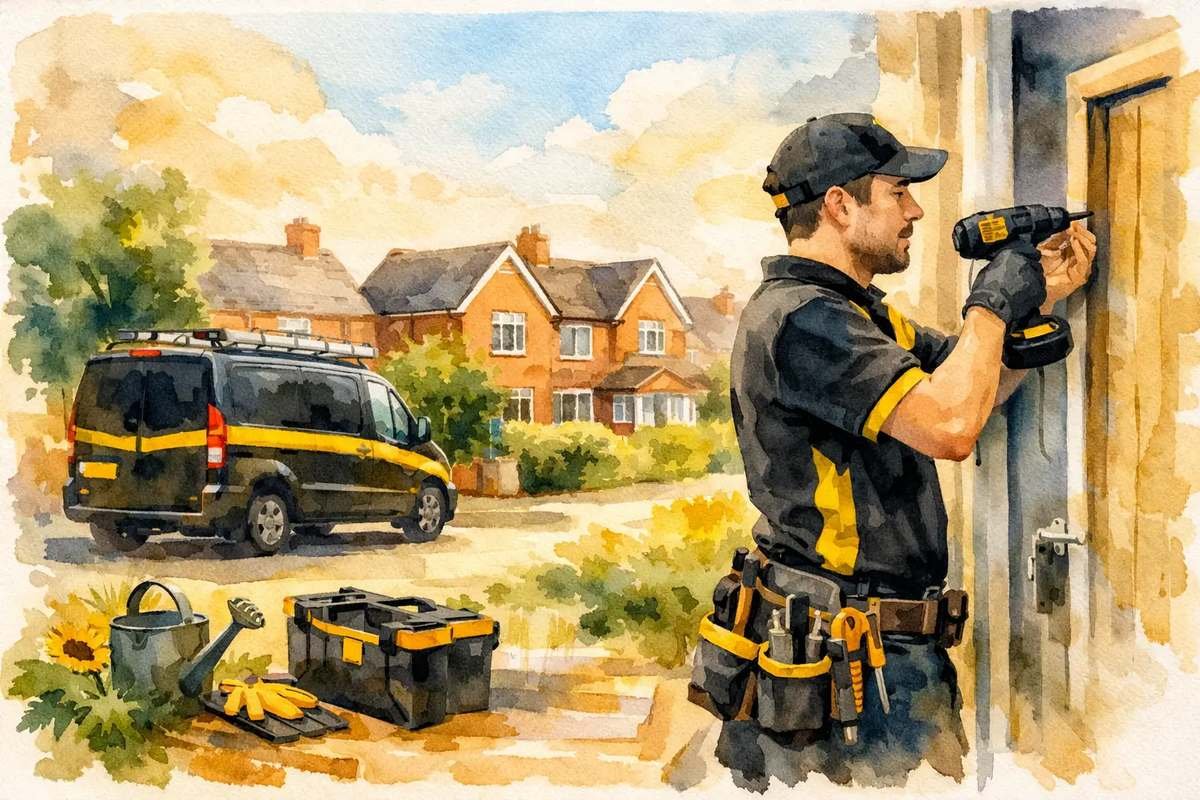
A sticking window handle, a loose fence panel, tired sealant around the bath and a shelf still sitting in its box can all seem small on their own. Leave them long enough, though, and they become the running list that makes a home feel unfinished. Swindon household maintenance is less about tackling everything at once and more about dealing with the right jobs before they create extra cost, inconvenience or damage.
For busy households, landlords and anyone who would rather spend the weekend doing something other than hunting for the right drill bit, the sensible answer is usually a clear plan. No judgement, no drama - just a realistic list, a sensible order and a reliable pair of hands where needed.
Start with the jobs that can get worse
Not every task deserves the same urgency. A scuffed wall may be irritating, but water getting behind failed bath sealant or through a damaged flat-roof area needs attention sooner. Small defects are often easier to put right while they are still small.
Walk through your home with a notebook or use your phone to take photographs. Look under sinks, around windows, at external timber, in the bathroom and kitchen, and at anything that moves repeatedly, such as locks, hinges and window mechanisms. You are not trying to diagnose every problem yourself. You are simply creating a useful record of what needs looking at.
Put each item into one of three groups: prevent damage, improve safety or comfort, and finish or refresh. That simple sorting method stops a loose cupboard door taking priority over a drip that is marking the inside of a unit.
Water and damp should not sit on the list
Moisture is rarely improved by waiting. Peeling paint, staining, a musty smell, crumbling sealant or soft timber all deserve a closer look. The cause may be straightforward, such as failed sealant, a small plumbing-related leak or poor ventilation. Equally, it may need further investigation before any cosmetic repair is worthwhile.
The trade-off is clear: painting over a stain can make a room look better for a short time, but it does not fix the reason the stain appeared. A proper maintenance visit should deal with the practical cause where possible, then make good once the area is dry and suitable for repair.
Do not ignore the small security jobs
A lock that catches, a handle that no longer works properly or a gate that will not close can quickly become more than an annoyance. These are the sorts of jobs homeowners often tolerate until a key snaps or access becomes difficult.
After moving into a property, changing locks is a sensible piece of housekeeping. Landlords should also keep a record of handles, latches and window mechanisms that tenants mention, rather than waiting until several small issues become one larger maintenance visit.
Make one visit work harder
One of the most useful ways to manage household maintenance is to group compatible jobs. This is particularly helpful when there are several tasks that each need a modest amount of time: fitting a curtain pole, repairing a cupboard hinge, hanging a mirror, renewing silicone, adjusting a door and putting up shelves, for example.
Grouping does not mean throwing every unfinished task onto one list and expecting it all to be completed in an afternoon. Some jobs need materials, drying time, access checks or a separate project plan. But a well-prepared list gives a handyman the best chance of using booked time efficiently.
Before booking, write down what you want done, where it is located and whether you already have the item or materials. Include measurements for shelves, mirrors, blinds or televisions, and send photographs of any damage or awkward access. This avoids the avoidable - such as arriving to fit a cabinet when a missing bracket is still somewhere in the garage.
For smaller, uncertain lists, a short video consultation can be useful. It gives you a chance to show the job, discuss likely materials and decide whether a time-based maintenance slot is appropriate. It is also the right moment to be honest about what you do not know. Clear information is far more useful than guessing.
Keep seasonal maintenance simple
British homes tend to reveal their weak points with the weather. A little seasonal attention makes maintenance more predictable and less disruptive.
Spring and summer
Use drier months to inspect external paintwork, fencing, gates and flat-roof surfaces that can be safely viewed. Look for cracked finish, loose fixings, timber beginning to weather and areas where rainwater is no longer draining as expected. Exterior repairs and repainting often need dry conditions, so planning ahead gives you more flexibility.
This is also a practical time for jobs that create temporary disruption indoors, such as decorating, tiling repairs or fitting kitchen and bathroom items. Opening windows and having longer daylight makes preparation and drying easier.
Autumn and winter
As the weather turns, check the areas that make a house feel cold or damp. Windows that do not shut securely, gaps around frames, loose handles and tired bathroom sealant are worth dealing with before they become daily frustrations.
Indoors, focus on the jobs that improve how the home functions: storage, door adjustments, lock changes, small carpentry repairs and painting touch-ups. Winter is not a reason to ignore outdoor issues, but conditions may determine whether a repair can be completed safely and properly on a particular day.
Know when a maintenance job needs a bigger plan
There is a difference between a collection of repairs and a refurbishment project. Replacing a few tiles, refreshing a bathroom with sealant and accessories, or repairing damaged kitchen units may suit a planned maintenance visit. A wider kitchen or bathroom refit, several linked trades or work with a larger scope typically needs several sessions and careful planning.
That distinction protects you as much as it protects the person doing the work. Time-based booking works well where the tasks are clear, contained and suited to a practical handyman visit. Larger projects need materials, scheduling and a defined scope before work starts. Trying to force a refurbishment into a small repair slot can lead to rushed decisions and unclear expectations.
Be equally realistic about safety. Work at height, access, load limits and the condition of the property all affect what can be undertaken. A professional should be willing to say when a job is not suitable on the day, rather than take a chance inside someone else's home.
What dependable household maintenance looks like
Good maintenance is not flashy. It is turning up when agreed, protecting the work area, communicating clearly and leaving the space tidy. It is also being upfront if a repair reveals a hidden issue, if a part is needed or if the next step should be planned separately.
For homeowners, that means less time coordinating several people for a handful of straightforward tasks. For landlords and property managers, it means clearer records, one point of contact and fewer minor defects left to grow between inspections. The value is not just in the finished repair. It is in removing the background worry that comes with a house full of half-done jobs.
Handyman Plus Van is built around that straightforward approach: one named, DBS-checked and insured local professional, with practical three-hour and six-hour booking options for suitable work. The aim is not to make every job sound simple. It is to make the next sensible step clear.
Give yourself a realistic maintenance rhythm
A home does not need constant attention, but it does benefit from regular notice. Set aside a short check every few months and keep an ongoing list rather than relying on memory. When the list reaches a sensible size, arrange the work before a small inconvenience turns into a weekend-consuming problem.
The best household maintenance plan is the one you can keep up with: practical, prioritised and honest about when you need help. A few well-timed repairs can make a home feel calmer, safer and far easier to live in.
Want to book?
I'm a one-man handyman service in Swindon — insured, DBS checked, and rated 4.9 on Google. 3-hour sessions cover Swindon (town); full days cover about 30 minutes around Swindon.
Book a session, or message me free on WhatsApp on 07729 689420. If you'd rather talk it through first, you can book a paid 20-minute video call.
