
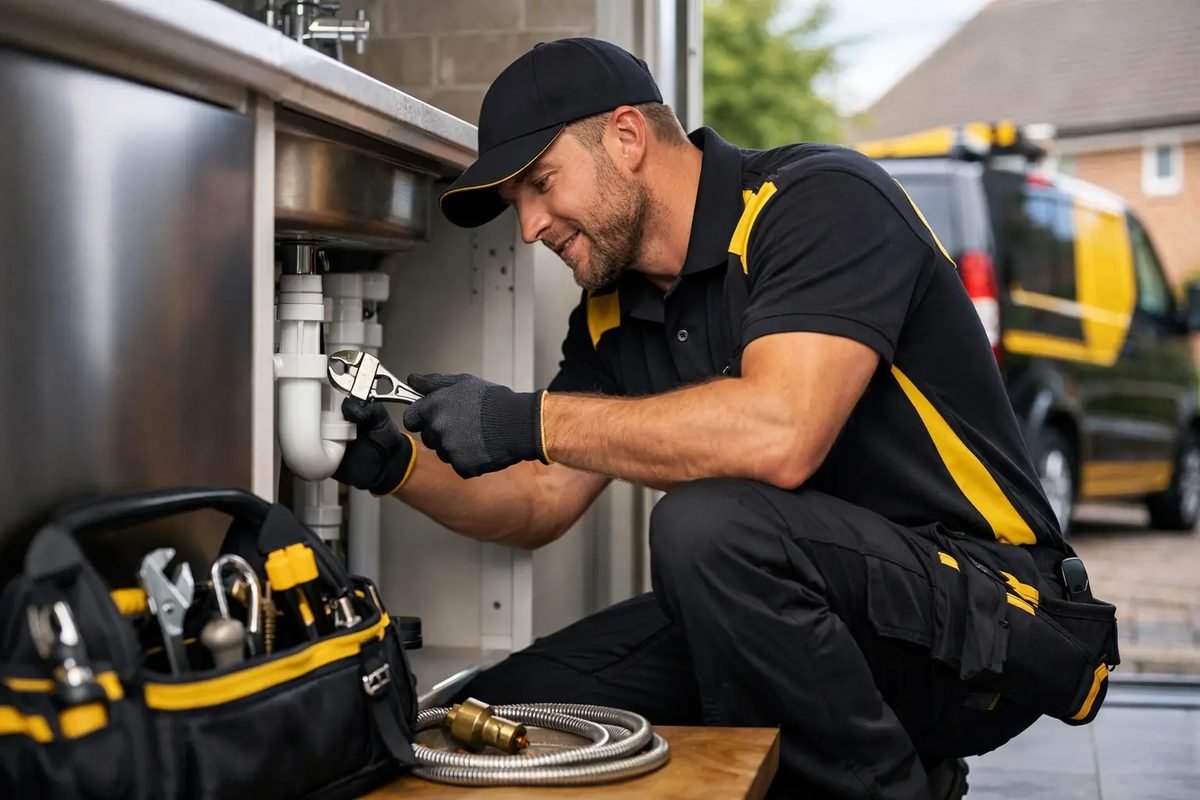
A tap that keeps dripping through the night, a kitchen sink that empties slowly or a toilet that will not stop running can make a small problem feel far bigger than it is. Plumbing repairs Swindon homeowners need are often not dramatic, but they do need dealing with before water finds its way into cupboards, flooring or walls. The good news is that many everyday faults can be planned, assessed properly and sorted without turning your week upside down.
The key is knowing what you are looking at, what should be dealt with promptly and where a practical handyman visit makes sense. No judgement, no drama - just a clear look at the job and a sensible route forward.
The plumbing repairs Swindon homes most often need
Most domestic plumbing problems start with wear rather than catastrophe. Washers harden, seals perish, fixings loosen and moving parts inside a cistern eventually stop behaving as they should. Left alone, a minor fault can waste water, create staining or damage the unit beneath it.
A dripping tap is a familiar example. The cause might be a worn washer, cartridge or valve component, depending on the tap type. A repair can be straightforward when the correct parts are available, but some modern taps use manufacturer-specific cartridges. It is worth checking the make and taking a clear photograph before arranging the work, especially if the tap is older or unusual.
Slow drainage is another common complaint. In kitchens, grease and food debris often collect around the waste trap or further along the pipework. In bathrooms, hair and soap residue are usually the culprits. Cleaning or replacing a trap, resealing a connection or correcting a poorly fitted waste pipe can often improve matters. If the blockage appears to be deeper in the drainage system, it may need a different specialist rather than repeated attempts to force it through.
Toilet cistern faults are also high on the list. A toilet may continue to run after flushing, fail to fill correctly or leak slowly into the pan. These issues are usually connected to the fill valve, flush valve, seal or adjustment of the internal mechanism. They are irritating and wasteful, but they are often manageable repairs once the cistern type and access have been checked.
Around baths, showers and basins, failed sealant deserves attention. Blackened, cracked or lifting sealant is not only untidy. It can allow water behind a bath panel, vanity unit or tiled edge, where it may go unnoticed for some time. Removing old sealant properly, preparing the surface and applying a neat new bead is a small job that protects the bigger finishes around it.
Start by limiting water damage
You do not need to diagnose every component before booking, but a few practical checks can prevent a problem getting worse. If you can see water escaping from a pipe connection, tap tail, trap or appliance valve, place a bowl or towel beneath it and avoid using that fitting until it has been assessed.
Every household should know where its internal stopcock is. It is commonly found beneath the kitchen sink, in a utility area, under the stairs or near where the mains supply enters the property. Turn it gently from time to time if it is safe to do so, as a stopcock that has not moved in years can seize just when you need it. If there is an uncontrolled leak and you cannot contain the water, turn off the supply where possible and seek urgent help through the appropriate route.
For a toilet that keeps filling, there may be a small isolation valve on the pipe leading to the cistern. This can sometimes be turned off with a flat screwdriver, but do not force it. If you are unsure, leave it alone. A small mistake with an isolation valve can create a larger leak.
Take photographs before anything is dismantled. A wide shot shows the location, while a close-up can reveal the type of fitting, corrosion, access restrictions or water staining. This is useful when planning the repair and helps avoid a visit being spent simply identifying a part that needs ordering.
When a booked handyman visit is the sensible option
A booked repair visit suits the jobs that are contained, accessible and practical to complete within a planned time slot. Think of leaking taps, replacing traps, renewing silicone seals, resolving minor cistern issues, securing loose bathroom fittings or correcting a small leak beneath a basin. It can be especially useful when there are several jobs to tackle at the same time.
That last point matters for busy households and landlords. You may have a dripping kitchen tap, a loose toilet seat, tired sealant around the bath and a cupboard door damaged by an old leak. Booking one organised visit can be more efficient than trying to coordinate several small appointments. Make a list, include photos where helpful and be clear about what is most important.
Handyman Plus Van works around planned three-hour and six-hour labour slots, which gives customers a straightforward way to group suitable household repairs. Message me free on WhatsApp, or book a paid 20-minute video call if you'd rather talk it through.
It does depend on the issue. A concealed leak, extensive water damage, major pipework alteration or a fault beyond a visible fitting may require a specialist trade or further investigation. A good service should be honest about that boundary rather than taking apart more of your home than is necessary.
Give a clear picture before the visit
The easiest way to get a plumbing-related repair moving is to describe the symptom rather than guess the cause. “The basin leaks only when it is draining” is more useful than “the pipes are broken”. “The toilet runs for ten minutes after flushing” gives a clearer starting point than “the cistern is playing up”.
Include where the item is, how long the problem has been happening and whether it is getting worse. Mention any previous repairs, replacement parts you have already bought and any awkward access, such as a boxed-in pipe or a vanity unit. If the property is tenanted, it also helps to confirm who will provide access and whether the water can be turned off if needed.
Try not to apply sealant over an active leak as a quick fix. Silicone can make later repairs harder, and it rarely solves a leak from a compression joint, waste connection or failed internal seal. Likewise, avoid overtightening plastic fittings beneath a sink. They can crack or distort, leaving you with more to repair.
A few warning signs that should not wait
Not every plumbing fault needs same-day attention, but some signs deserve prompt action. Persistent dampness inside a cupboard, a swollen plinth beneath a kitchen unit, staining on a ceiling below a bathroom or a musty smell around a shower can all point to water escaping where it should not.
Watch for a water meter that continues to move when no water is being used, or for a sudden unexplained rise in your water bill. Neither proves where the issue is, but both are worth investigating. In a rented property, report signs of leaks early and keep a simple written record with photos. It protects the property and gives everyone a clearer starting point.
Mould around a bath or shower edge also needs a practical response. Cleaning the surface may improve the appearance temporarily, but failing sealant needs to be removed and renewed once the area is dry and the source of moisture has been addressed. Repeatedly sealing over old material usually produces a messy finish and a shorter-lived repair.
Keep small repairs from becoming repeat jobs
A little routine care goes a long way. Clear hair from basin and bath wastes before it builds up, avoid pouring cooking fat into the kitchen sink and wipe up water around taps and toilet bases so small changes are easier to spot. Check the sealant around baths and showers every few months, particularly if the bathroom is heavily used.
When a repair is complete, ask what has been replaced and whether there is anything to monitor. A new seal may need time to cure before the shower is used. A repaired trap should be checked after the first few uses. Clear communication is not fussiness - it is how you avoid guessing later.
The aim is not to make every household job complicated. It is to catch the small things while they are still small, plan the right repair and have a reliable pair of hands on site when DIY is likely to cost more time, mess or worry than it saves.
Want to book?
I'm a one-man handyman service in Swindon — insured, DBS checked, and rated 4.9 on Google. 3-hour sessions cover Swindon (town); full days cover about 30 minutes around Swindon.
Book a session, or message me free on WhatsApp on 07729 689420. If you'd rather talk it through first, you can book a paid 20-minute video call.
