
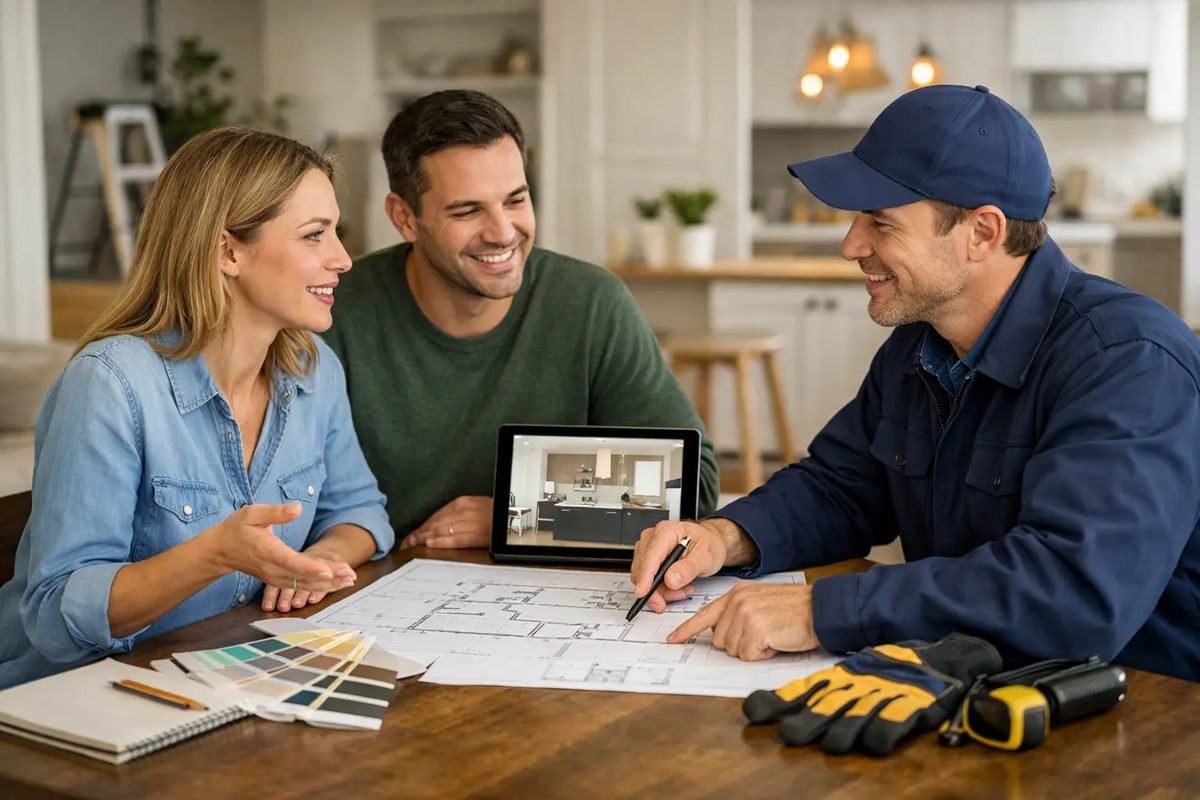
A loose list on the fridge can quickly turn into a bigger problem: a dripping tap, a sticking window, a shelf that still needs putting up, paint touch-ups, a gate that will not shut properly. A home repair planning consultation gives those jobs some order before anyone arrives with a toolbox. It is a short, practical conversation that helps you decide what needs doing, what can be combined, and whether the work suits a single timed handyman visit or typically several sessions.
For homeowners, landlords and property managers in Swindon, that bit of planning can save a surprising amount of time. Rather than booking different people for small tasks or hoping everything will fit into one afternoon, you can start with a realistic plan. No judgement, no drama - just a clear view of what needs attention.
What a home repair planning consultation is for
A consultation is not a substitute for seeing every problem in person. Some faults, particularly hidden leaks, damp causes or structural concerns, only become clear on site. It is, however, a sensible way to plan smaller jobs where photos, measurements and a clear description can establish the likely work involved.
Message me free on WhatsApp, or book a paid 20-minute video call if you'd rather talk it through. It is useful when you have several jobs and are unsure whether to book a three-hour or six-hour labour slot. It also gives Ian a chance to ask the questions that affect the visit: what the wall is made of, whether you already have the fittings, how high the work is, whether access is straightforward, and whether the property will be occupied.
That matters because a job that sounds simple can have a few practical catches. Hanging a television depends on the wall construction and the bracket. Replacing a lock depends on the door type and existing mechanism. Repairing a leaking waste pipe may be quick, but the cupboard contents, access and condition of the pipework all affect the job. Planning is how those details are dealt with before the day, rather than halfway through it.
Start with a proper job list
You do not need trade knowledge to prepare for a consultation. You only need to describe what you can see and what you would like the finished result to be. Walk through the property room by room, including outside areas, and write down even the small irritations. Several modest jobs completed in one organised visit are often more efficient than arranging them separately.
For each item, make a note of:
- where it is and what is happening
- when you first noticed the issue, if it is a repair
- any measurements that are easy to take
- whether you already have materials, fittings or replacement parts
- anything that may affect access, such as tenants, pets, parking or furniture
Photos and short videos are often more useful than a long explanation. Take a wider picture to show the location, then a close-up of the fault or fitting. For a window mechanism, show the handle, hinge and the whole opening. For a fence repair, show the affected panel or post and the ground around it. If you want a mirror, rail or television mounted, include the wall and the item to be fitted.
There is no need to guess at technical causes. “The bathroom fan runs but does not clear steam” is more helpful than diagnosing the motor yourself. The same goes for damp. Describe where it is appearing, whether it changes after rain or bathing, and whether there are obvious signs of a leak. A sensible plan starts with the evidence, not assumptions.
Decide what should happen first
Not every item on a maintenance list has the same urgency. A loose handrail, failing lock, active leak or damaged roof covering deserves attention ahead of cosmetic work. A safety issue should not wait because it is less visible than a tired-looking wall.
It also helps to group work by location and trade. If bathroom sealant needs renewing, a cabinet door needs adjusting and a towel rail needs fitting, doing them together reduces set-up time. Similarly, painting touch-ups make more sense after wall repairs, plumbing access work or electrical alterations have been completed. Planning the order avoids paying for work twice.
For landlords, the priority may be slightly different. Security, water damage, safe access and tenant disruption usually come first. Give clear information about whether a tenant will be present, who can authorise decisions and how access will be arranged. A well-planned visit is more respectful of everyone’s time and helps avoid awkward last-minute calls.
Choose the right booking route
A three-hour slot is often a good fit for a focused set of straightforward jobs: putting up shelves, changing a lock, adjusting doors, fitting blinds, repairing a small section of fencing, hanging a TV or dealing with minor plumbing-related repairs. A six-hour slot gives more room for a longer list, more preparation, drying times or jobs spread around the home.
The consultation helps set expectations, but it cannot turn an open-ended problem into a fixed-duration task. If removing a bath panel reveals extensive water damage, for example, the plan may need to change. Honest planning means allowing for that possibility rather than promising a result before the condition is known.
Larger refurbishment work, kitchen or bathroom projects, significant damp treatment and jobs involving several stages may need a separate fixed quote and project-management route through Fabian Interiors. That route is better when the work needs surveying, detailed materials planning, multiple trades or a defined project outcome. It is not about making a simple job more complicated. It is about using the right arrangement for the scale of work.
Be clear about materials and finishes
One of the most useful parts of a planning conversation is agreeing who is supplying what. You may already have purchased a tap, curtain pole, tile, lock or flat-pack item. If so, have the make, model and fitting instructions available where possible. A photo of the box label can prevent the wrong assumptions being made about compatibility.
If materials are still needed, think about the finish as well as the function. “White paint” can mean many different shades and sheens. A replacement handle needs the correct fixing centres. A bathroom sealant needs to suit the surfaces and the desired colour. Decisions made in advance mean less pressure on the day.
There are times when waiting for the right part is the best option. Forcing a near-match lock onto an older door, choosing a cheap bracket for a heavy television, or patching a roof without understanding the covering can create a second repair later. A practical service should be clear about those limits.
Plan for access, safety and the working area
A tidy, workable space makes a real difference. Move fragile items, clear the area around the repair and make sure pets are safely out of the way. If a wardrobe, washing machine or large unit blocks access, mention it during the consultation. It may be manageable, but it should never be a surprise.
Working at height also needs an honest discussion. Safe ladder positioning, ground conditions, roof access and the nature of the task all matter. Some work is simply not suitable for a handyman visit, particularly where specialist equipment, certification or a particular trade qualification is required. Clear boundaries are a sign of professional care, not a lack of willingness.
The same applies to electrical and gas work. Planning can identify where a qualified specialist is needed and stop an unsafe shortcut. A dependable repair is one that remains safe after the van has left.
Make the consultation work for you
Have your job list, photos and measurements ready before the call. Be open about your priorities: perhaps the lock must be changed before a new tenant moves in, or the decorating can wait while a bathroom leak is dealt with. Ask whether the work is likely to suit one visit, what you should buy beforehand, and what may need inspecting on site first.
You should also say if you have a budget limit. That does not mean cutting corners. It helps decide whether to tackle the urgent repairs now and schedule the lower-priority improvements later. A good plan is not always about doing everything at once. It is about making the next sensible move.
Home maintenance feels far more manageable when the list has an order, a realistic time allowance and one accountable person arriving prepared. Take ten minutes this evening to walk around your home and write down the jobs that have been quietly waiting. That is often all it takes to turn “we really must sort that” into a plan.
Want to book?
I'm a one-man handyman service in Swindon — insured, DBS checked, and rated 4.9 on Google. 3-hour sessions cover Swindon (town); full days cover about 30 minutes around Swindon.
Book a session, or message me free on WhatsApp on 07729 689420. If you'd rather talk it through first, you can book a paid 20-minute video call.
