
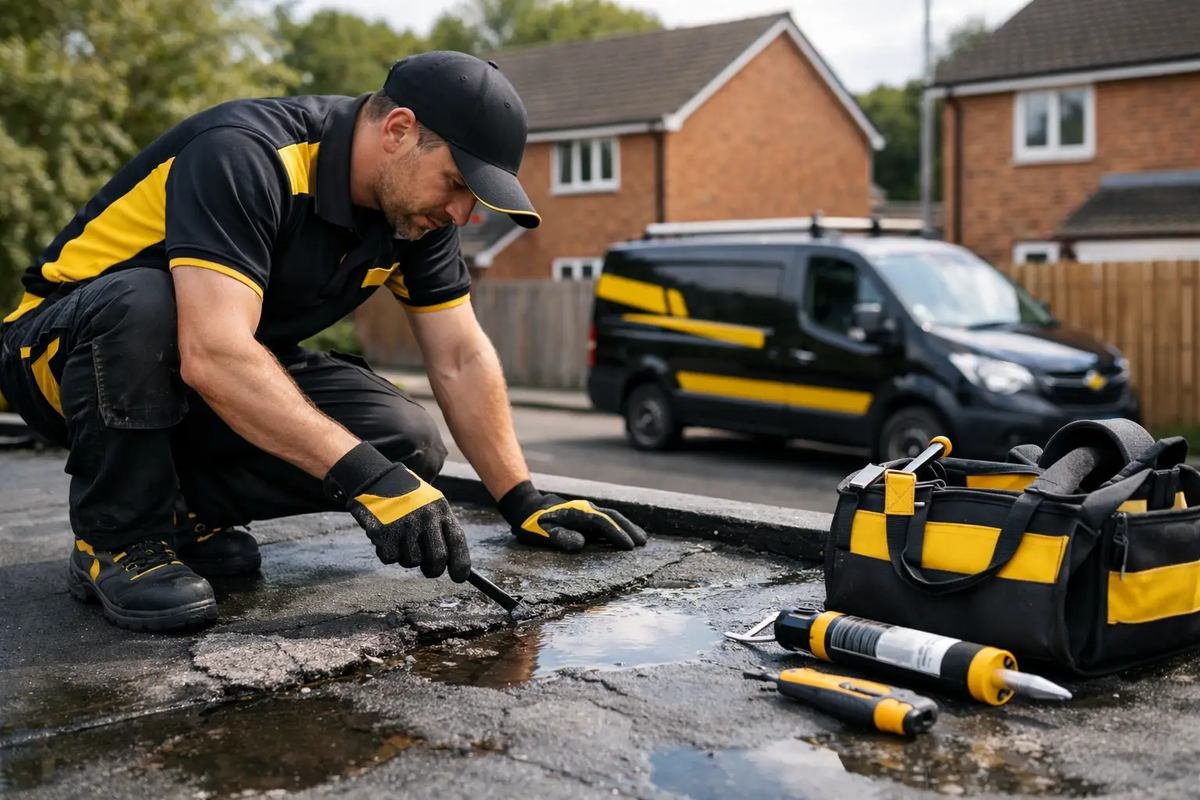
A flat roof rarely fails without leaving clues. A brown mark on a bedroom ceiling, a damp smell in an extension, a lifted edge detail or water sitting in the same place after rain can all point to a problem worth checking. For flat roof repair in Swindon, acting while the issue is small is typically calmer, cleaner and less disruptive than waiting for water to find its way indoors.
The aim is not to panic over every mark or puddle. Flat roofs are exposed to weather, temperature changes and debris, and some signs have a straightforward cause. What matters is identifying where the water is getting in, whether the roof surface can be repaired locally, and whether access can be made safely.
Start with the signs you can see safely
The inside of the property often gives the first warning. Look for fresh staining, bubbling paint, peeling wallpaper, swollen plasterboard or a musty smell below the roof. Take a photo when you notice it, then another after rain. This creates a useful record and helps show whether the problem is active or old.
Outside, only inspect from ground level or from a safe, suitable position. Do not climb onto a flat roof just to have a look. Wet surfaces, ageing materials and poorly supported areas can be dangerous, and a misplaced foot can turn a small defect into a larger one.
From a safe viewpoint, common warning signs include cracking or splitting in the covering, blisters, loose edge trims, open seams, damaged flashing around adjoining walls, blocked outlets and vegetation collecting at the edges. If the roof is over a garage, porch, bay window, extension or dormer, check the room or structure below as well. Water does not always appear directly under the point where it entered.
A roof that holds a little water immediately after heavy rain is not automatically leaking. However, water that remains for several days can accelerate wear, put pressure on joints and make existing defects worse. The cause may be debris at an outlet, a local dip in the roof, or a drainage issue that needs closer assessment.
Flat roof repair in Swindon is not one-size-fits-all
A sensible repair depends on the roof covering, its overall condition and the source of the leak.
Rubber (EPDM) and fibreglass (GRP) roofs are the coverings Handyman Plus Van works on: small patch repairs and re-sealing, within safe ladder reach (maximum 5 metres). Rubber membranes can suffer punctures, lifted edges or poorly sealed details. Fibreglass roofs may crack, particularly around joints or where movement has occurred. Where a defect is clearly local and the adjacent material is still sound, a targeted repair may typically be the sensible route — preparing and resealing a split, repairing a seam or edge detail, or dealing with a small damaged section.
Felt and torch-on felt roofs are common on older garages and extensions, but I do not repair them. Pitch roofs and sloped roofs are also outside what I offer. If your roof is felt, torch-on or pitched, you need a roofing specialist.
Good preparation matters as much as the repair material. A patch placed over damp, dirty or unstable material may hold briefly, then fail when the weather changes. There are times when repeated patches stop making sense. If the covering is brittle across a wide area, several leaks have appeared, the deck beneath feels compromised, or water is regularly pooling due to the roof’s condition, a larger project may be more appropriate. That is not a reason to ignore the immediate leak. It is a reason to be clear about the difference between a practical holding repair and a longer-term replacement decision.
Why finding the entry point takes care
The visible stain indoors is useful evidence, but it is not a map. Water can run along timber, insulation, cable routes or the underside of the roof deck before it becomes visible. A damp patch at one end of a room may relate to a defect some distance away.
Details are often the weak point. The junction where a flat roof meets a wall, the perimeter edge, pipe penetrations and rainwater outlets all deserve attention. These areas move differently, collect debris and receive a lot of weather exposure. A repair that focuses only on the obvious split but misses a lifted edge nearby may not solve the problem.
This is also why covering a roof in sealant is rarely a good DIY answer. Sealant has a place for suitable small details, but it is not a substitute for correct preparation or a compatible repair system. It can mask the route of water, make a later repair harder to assess and leave a false sense that the issue has been fixed.
What you can do before a planned repair visit
There are a few useful, low-risk steps. Inside, move furniture and belongings away from any damp area, especially if water is dripping. Place a container beneath an active drip and protect flooring with towels or a waterproof sheet. Avoid pressing or puncturing a bulging ceiling — it needs careful assessment.
Keep notes on when the issue appears. Does it happen only in wind-driven rain? Is it worse after a long downpour? Has the stain grown since the last rainfall? Photos from inside and safe ground-level views outside can help build a clearer picture before work is planned.
If a reachable gutter or outlet is visibly blocked and can be cleared safely from ground level, removing loose leaves may help water drain. Do not lean from windows, climb ladders without suitable footing or work at height alone. A roof repair is not worth a fall.
For landlords, it is helpful to ask tenants for dated photographs and a simple description of when the problem was first noticed. Prompt reporting can limit damage to ceilings, decoration and belongings. It also gives everyone a clearer record of what has changed.
Safe access and honest job planning
Flat-roof work is only suitable where access and conditions are safe. The height, roof condition, weather, ground below and available working space all affect what can be done. High winds, rain, icy surfaces or uncertain roof strength can mean postponing work rather than taking a chance.
Handyman Plus Van keeps this straightforward. Message me free on WhatsApp, or book a paid 20-minute video call if you'd rather talk it through. Clear photos are useful, but they do not replace seeing the condition on site. That call is for advice and a typical time estimate, not a formal quote.
For a defined, smaller EPDM or fibreglass repair with safe access, a 3-hour or full-day booking can typically be a practical way to tackle the work alongside other household jobs. It depends on what is found once the area is inspected and prepared. If the issue is larger, involves widespread failure, felt or torch-on covering, or needs a more substantial roofing project, it is better to say so plainly and plan the right route rather than force a temporary answer into a routine visit.
Preventing the next leak
No roof stays maintenance-free forever, but small checks help prevent avoidable trouble. Keep gutters and outlets clear of leaves, especially after autumn weather. Trim back growth that drops debris onto the roof where this can be done safely. Look out for loose trims and early cracking before winter rain exposes them.
After storms, check indoors for new marks and look at the roof from the ground. Do not wait for a stain to become a dripping ceiling before recording it. A quick photograph and an early conversation can make the next step much easier to organise.
A flat roof does not need drama or guesswork. Notice the signs, keep people safe, and get a clear view of whether the problem calls for a local EPDM or fibreglass repair or a bigger specialist plan. That is often the difference between a manageable household job and a much messier one.
Want a flat roof looked at?
I'm a one-man service, insured and DBS checked, and rated 4.9 on Google. 3-hour sessions cover Swindon (town); full days cover about 30 minutes around Swindon. I'll do my best to get through your list in the time booked.
Book a session, or message me free on WhatsApp on 07729 689420. If you'd rather talk it through first, you can book a paid 20-minute video call.
