
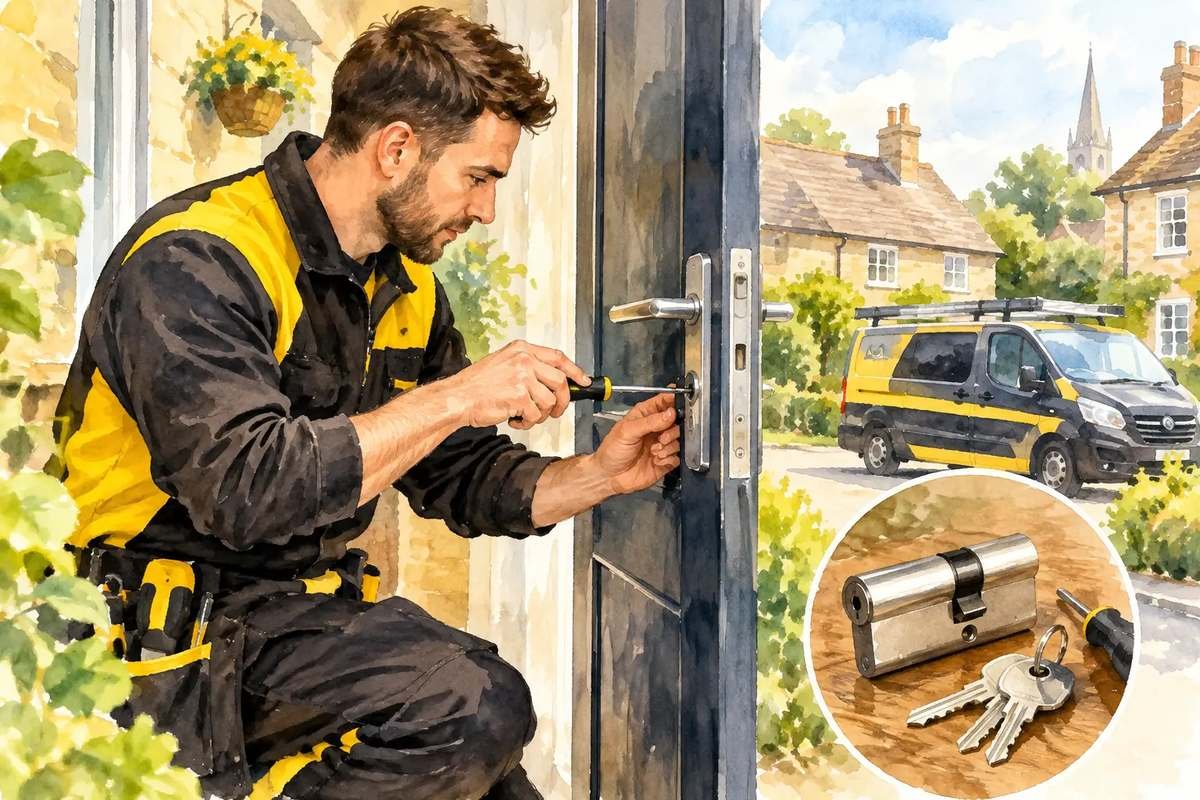
A tenant comes home, puts their key in the door and finds it no longer works. That is exactly why the question, can landlords change tenancy locks, needs a careful answer. A lock change may be sensible after a break-in, lost keys or at the end of a tenancy. It can also become a very serious legal problem if it stops a tenant getting into their home.
For landlords in Swindon and across England, the practical rule is simple: changing a lock is not the same as gaining possession of a property. A landlord must not use a new lock to pressure a tenant to leave, deal with rent arrears or bypass the proper legal process.
Can landlords change tenancy locks during a tenancy?
Usually, only if the tenant still has full access to their home and there is a genuine reason for the work. A landlord might arrange a lock change after a burglary, where keys have been lost, or because a lock has become insecure or faulty. In these situations, the tenant should know what is happening and receive working replacement keys straight away.
The tenant has the right to quiet enjoyment of the property. This does not mean complete silence or that a landlord can never visit. It means the tenant is entitled to live there without unreasonable interference. Changing the locks without agreement, then withholding keys or making access difficult, is likely to breach that right.
A landlord cannot lawfully change the locks simply because rent is overdue, the relationship has broken down, or they believe the tenant ought to have left. Even where a notice has been served, the tenancy does not end just because the notice date has passed. If the tenant remains, possession normally has to be obtained through the proper court process.
A lock change must not become an eviction
Locking a tenant out without lawful authority can amount to illegal eviction. This is a criminal matter, not merely a disagreement over a tenancy. It can expose a landlord to action by the local authority, a claim for compensation and significant further costs.
It makes no difference if the landlord owns the property, has paid for the lock, or thinks the tenant is behaving unreasonably. Ownership does not give a landlord the right to remove a tenant’s access while the tenant has a legal right to occupy the home.
The same caution applies to changing a garage, shed, communal entrance or postbox lock if doing so prevents the tenant from using something included in their tenancy. Small practical decisions can have bigger consequences than expected.
When is changing tenancy locks normally reasonable?
There are situations where a lock change is entirely sensible. Between tenancies is the clearest example. Once the previous tenancy has genuinely ended, all keys have been returned and the property is back in the landlord’s possession, fitting new locks is good security practice. You cannot know how many copies of an old key may be in circulation.
During a tenancy, it may also be appropriate where a lock is damaged, the mechanism has failed, keys have been stolen, or there has been a security incident. The key point is that the work protects the tenant’s home rather than excluding them from it.
Good communication prevents most problems. Tell the tenant why the lock needs changing, agree a suitable time where possible, confirm who will attend, and make sure replacement keys are ready. If the tenant cannot be present, agree clearly how they will receive keys immediately afterwards.
Where access is needed for planned repairs, landlords will usually need to give at least 24 hours’ written notice and visit at a reasonable time, unless there is a genuine emergency. A serious leak or an insecure external door after a break-in may need quicker action. Even then, keep the tenant informed and only do what is necessary to make the property safe.
Notice to leave is not permission to change locks
This point catches people out. A Section 21 or Section 8 notice is a step in the possession process. It is not permission to enter whenever you wish, remove belongings, cut off services or fit locks that stop a tenant coming in.
If a tenant has not left by the relevant date, take advice and follow the legal possession route. It can feel slow, particularly where there are unpaid rent or property condition concerns, but taking matters into your own hands risks turning an already difficult situation into a much more expensive one.
Do not assume that a property is abandoned because it looks empty, the tenant is not answering messages, or a few items have gone. A tenant may be away for work, in hospital, visiting family or simply avoiding contact. Abandonment can be legally complex. Before changing locks where there is any doubt, get proper housing advice and keep clear written records of your attempts to contact the tenant.
What if a tenant changes the locks?
Tenants sometimes change locks because they are concerned about security or want to feel safer after a relationship breakdown. Whether they should seek permission first may depend on the tenancy agreement, but a landlord should avoid an immediate confrontation.
The practical question is whether the property remains secure and whether arrangements can be made for necessary repairs or genuine emergencies. A tenant cannot use a lock change to prevent lawful access altogether, but a landlord also cannot respond by forcing entry or replacing locks without thought.
Start with a calm written conversation. Ask why the lock was changed, confirm that the tenant has not damaged the door, and agree how access will be managed with proper notice. If a replacement key is requested, deal with personal security concerns sensitively. There may be a reasonable alternative, such as the tenant attending planned appointments.
A sensible process for landlords
Before booking anyone to change a lock at a rented property, pause and check the position. The following approach keeps the practical work separate from the legal decision:
- Confirm whether the tenancy is active and whether the tenant has a current right to occupy.
- Record the reason for the lock change, such as a failed cylinder, lost keys or security damage.
- Give written notice and obtain the tenant’s agreement where the work is planned.
- Arrange replacement keys or another agreed method of immediate access before work starts.
- Keep photographs, messages, invoices and key handover records with the property file.
If the tenant disputes access, claims the lock change will lock them out, or has not clearly surrendered the property, stop and get specialist housing advice. A handyman or locksmith can change a lock correctly, but cannot decide whether possession has lawfully returned to the landlord.
Choosing the right lock work
Not every lock problem needs a complete replacement. A loose handle, worn multipoint mechanism, stiff key or poorly aligned door can sometimes be repaired or adjusted. Replacing parts unnecessarily costs more and may leave a tenant inconvenienced for no good reason.
Where a replacement is needed, match the lock to the door and its security requirements. On many modern uPVC and composite doors, the cylinder is only one part of the system. The hinges, keeps, alignment and multipoint mechanism all affect how securely and smoothly the door closes.
For a planned tenancy changeover or a straightforward security repair, it helps to send clear photos of the door edge, lock and handles in advance. That gives the person attending a better chance of bringing suitable parts, though concealed damage or an unusual fitting can still mean a return visit is needed.
At Handyman Plus Van, lock changes and basic door-security repairs are approached as practical maintenance work: clear authorisation, a sensible assessment of the fault and tidy completion. For landlords, the authorisation and tenant communication should be settled before the visit is booked. No drama, no assumptions.
If you are a tenant locked out
Contact your landlord or letting agent in writing straight away and keep a record of calls, messages and photographs. If you believe you have been excluded from your home, contact your local council’s housing or tenancy relations team promptly. If you are at immediate risk or feel unsafe, contact the police.
Avoid forcing the door, damaging the lock or escalating an argument on the doorstep if you can. Your priority is getting safe advice, preserving evidence and establishing why access has been blocked.
A well-managed rental property needs secure doors and clear boundaries. Change the locks when security genuinely calls for it, keep the tenant fully able to come home, and use the lawful possession process whenever a tenancy is ending.
Want to book?
I'm a one-man handyman service in Swindon — insured, DBS checked, and rated 4.9 on Google. 3-hour sessions cover Swindon (town); full days cover about 30 minutes around Swindon.
Book a session, or message me free on WhatsApp on 07729 689420. If you'd rather talk it through first, you can book a paid 20-minute video call.
